Differentiates by: Interest, Profile, Readiness, Content, Process, Product
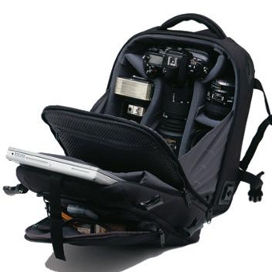 If you’re looking for robust technology use to go along with your class projects or as the backbone of your Problem-based learning activities, this is ideal. Digital Backpacks are explained as mobile technologies in a backpack that include software, hardware, and instructional support for PBL or other similar class activities. The authors of the study below discuss that ideal Digital Backpacks should include
- software on some form of portable device (aka, laptop or mobile phone) that allows for creation and editing of projects,
- hardware (like portable data sensors, digital cameras, GPS devices, etc.) that can collect data or media to help with the creating the project
- instructional supports (project goals, instructions, roles, etc) that are necessary to allow students to work independently in groups
These types of media sets and software combinations have been shown to aid in differentiating products by offering a multitude of possibilities for tools that students can choose to use in creating a unique project. By offering these different medias, it also allows students to choose the process for putting together the projects, as well as allowing students to make decisions by interest on what parts of the information are covered and included in the finished product. If you are interested in learning more about what the research said about digital backpacks, click on the link below to access the Journal article.
Journal Article – The Design and Application of the Digital Backpack